When looking for a new phone, people place importance on numerous things
-- different strokes for different folks, and all that. Two things that
are frequent bones of contention are the absence of a microSD slot, and
a battery that cannot be replaced by the user. It used to be the case
that every phone out there (well, let's ignore the iPhone for now) had a
battery that you could easily replace if needed. Or perhaps you wanted a
spare battery so you could use your phone for longer.
But recently there has been a worrying move towards delivering phones
that are sealed units -- if your battery gives out on you, you have no
option but to send it back to the manufacturer for a replacement. This
takes time and money, but the problem of batteries that can't be
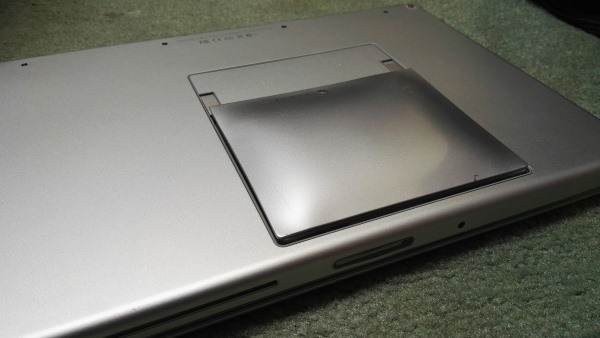
replaced by users runs deeper than this. Just look at the image above.
OK, OK, that's a photo of a MacBook Pro battery, but it's still
relevant. I've had batteries in phones puff up in the same way,
thankfully in phones that I have been able to buy replacements for --
just as with the MacBook Pro. This battery swelling is something that,
usually, happens very gradually; you tend not to wake up in the morning
and discover that it has doubled in size overnight. This glacial creep
can make it hard to notice when it's happening, but there will
eventually be warning signs.
Battery life will almost certainly be impaired. A swelling battery is
not a healthy battery, and you'll almost certainly notice a substantial
drop in how long the charge lasts. There will probably be other
power-related issues such as random restarts and overheating. Leave
things for long enough, let the battery swell too much, and you might
well notice that the rear cover starts to pop off. At least this is the
case with phones whose batteries you can replace yourself.
It's a different story for phones that are sold as sealed units. It's
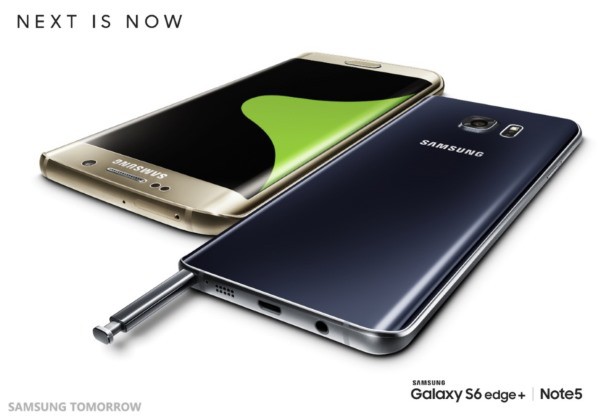
not just the iPhone, Samsung's recently announced Galaxy Note 5 and
Galaxy S6 Edge+ are also culprits. Because the case is sealed, because
the back is screwed on -- or maybe the body is one solid piece of
material -- you can't see the battery or the physical effect it might be
having on your phone... at least until it is too late. With a phone
whose back can pop off, this is exactly what a swelling battery will
cause to happen. There's not enough room to continue to swell, so it
makes a bit more room by pushing the obstacle out of the way.
With a sealed unit this just can't happen. Sure, the rear of the phone
could bulge a bit, but it is designed not to move. But that swelling
battery's not going to stop growing just because the back's not
shifting. Rather than pushing a cover out the way, that puffed-up power
pack is going to expand into, and start crushing, anything that's nearby
-- circuit board, chips, the screen. That's when your repair bills
start to get a lot steeper.
This was all prompted by splashing out £46 (around $72) this weekend on a
couple of replacement batteries for a pair of Samsung phones. Both
handsets are slightly aging, but both fully functional aside from
atrocious battery life thanks to worn out batteries. The problem was
easily diagnosed -- when battery life started to drop, it was initially
put down to just general aging. But when it dropped more and more, it
became clear that something more serious was wrong. It was very simple
and, more importantly, free to slip off the back, remove the battery and
perform a table top spin test (not that this was really necessary
thanks to the obvious bloating).
It would have been a very different story had the phones' backs not been
removable. I would have either had to send them off to be looked at, or
take them into a store for repair. Time. Money. Both valuable
commodities to me. And paying someone to operate on my phone rather than
just being able to buy an aftermarket replacement battery will be the
more expensive option in just about every case.
Or I may just have put up with it because I couldn't do something about
it myself. Left to itself, the swelling battery could have become
seriously problematic, potentially exploding or leaking. Without the
ability to remove the back and look at my battery, I could have been
none the wiser until it was too late. That's why sealed unit phones are
bad. That's why users should be able to replace their own batteries.
Photo credit: Mark Wilson
~ Mark Wilson